The Dark Shade
Concretes
Gravity. The shade that holds the others.
When to choose it
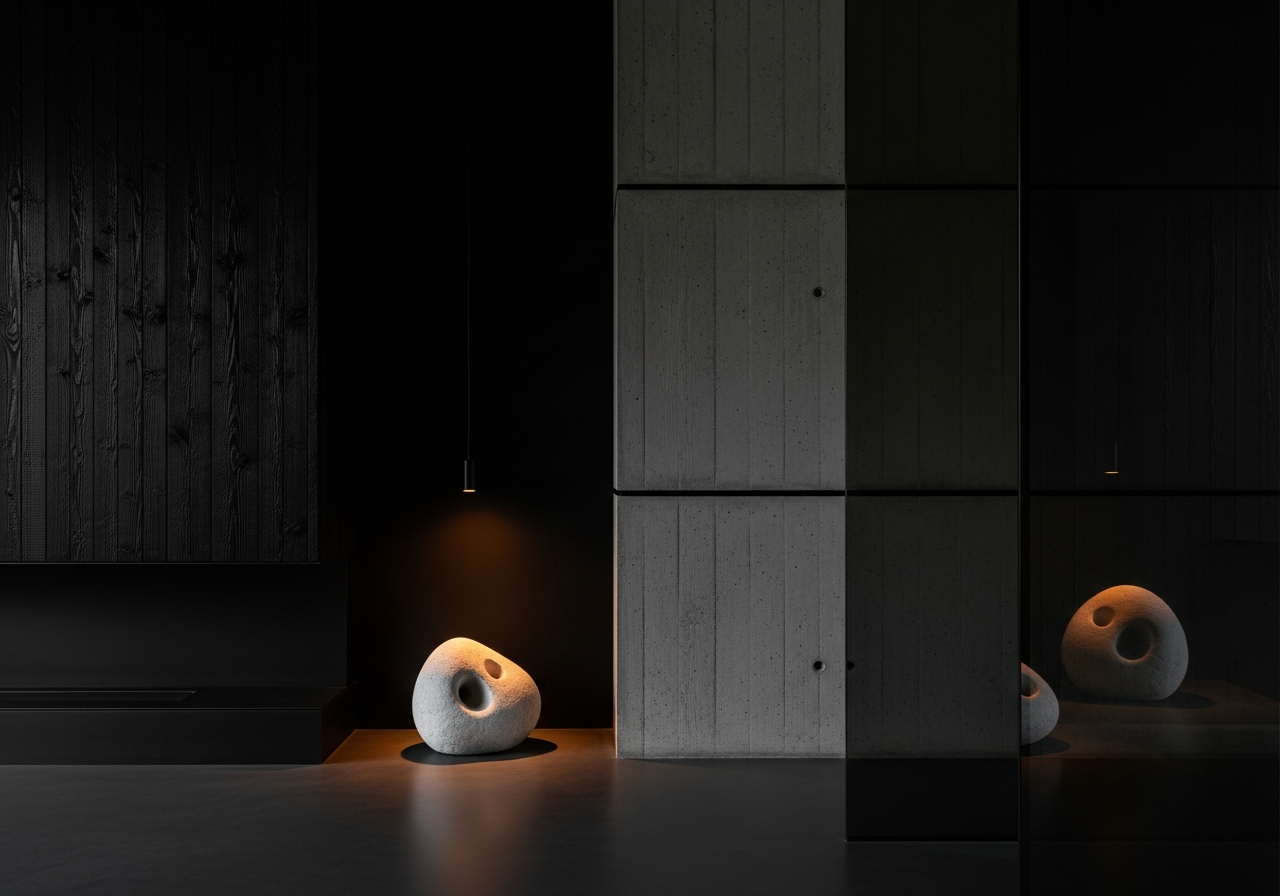
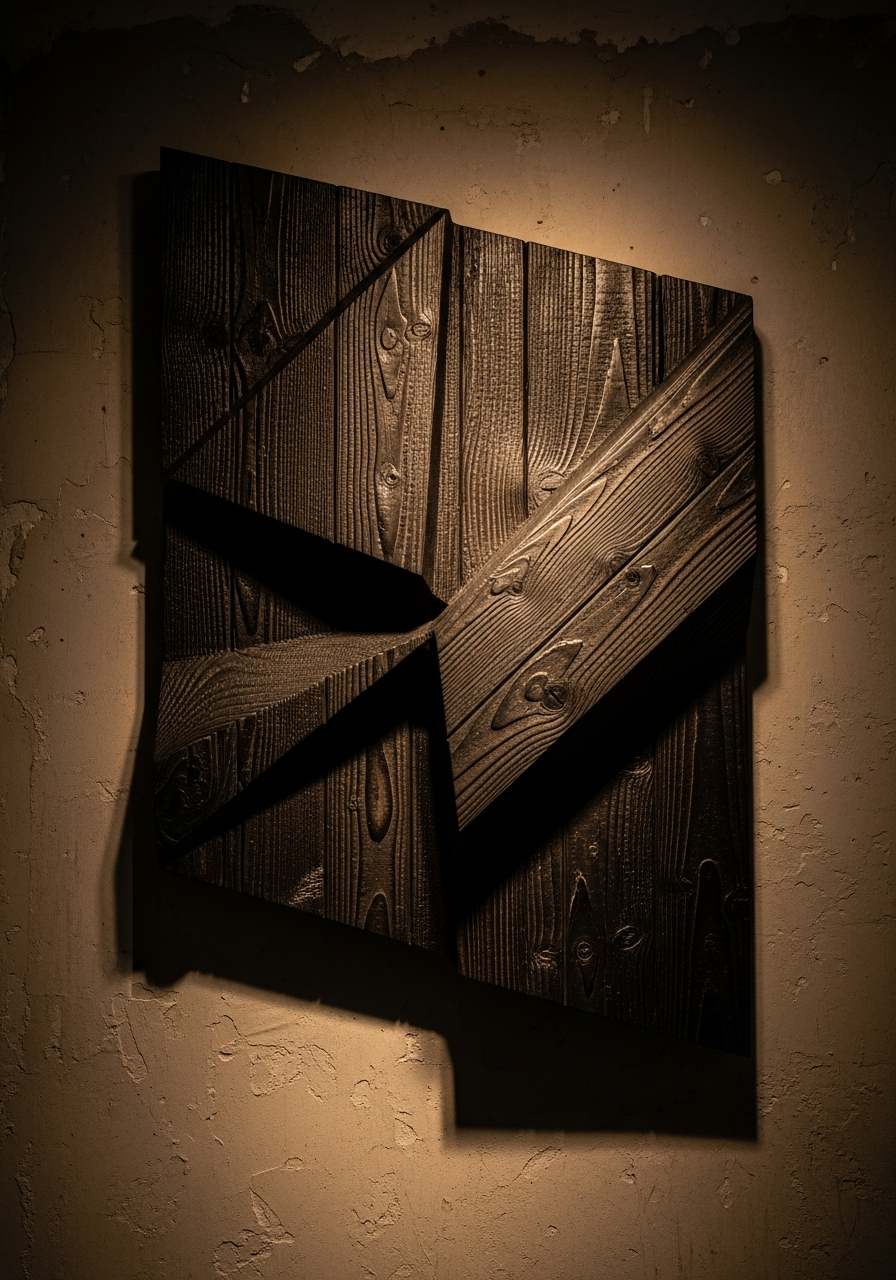
Board-formed concrete, charred timber, blackened steel, smoked glass. The dark shade has nothing to do with colour. It is about light — how little of it a room actually needs. You choose it when you want weight, silence, and the certainty that nothing in the room is there by accident.
The Anchor
Dark rooms need exactly one source of warm light and nothing competing with it. The anchor is rarely the largest object in the room — it's the one thing the eye is allowed to land on in the absence of everything else.
The rules
Not preferences
01
A dark room is lit, not coloured.
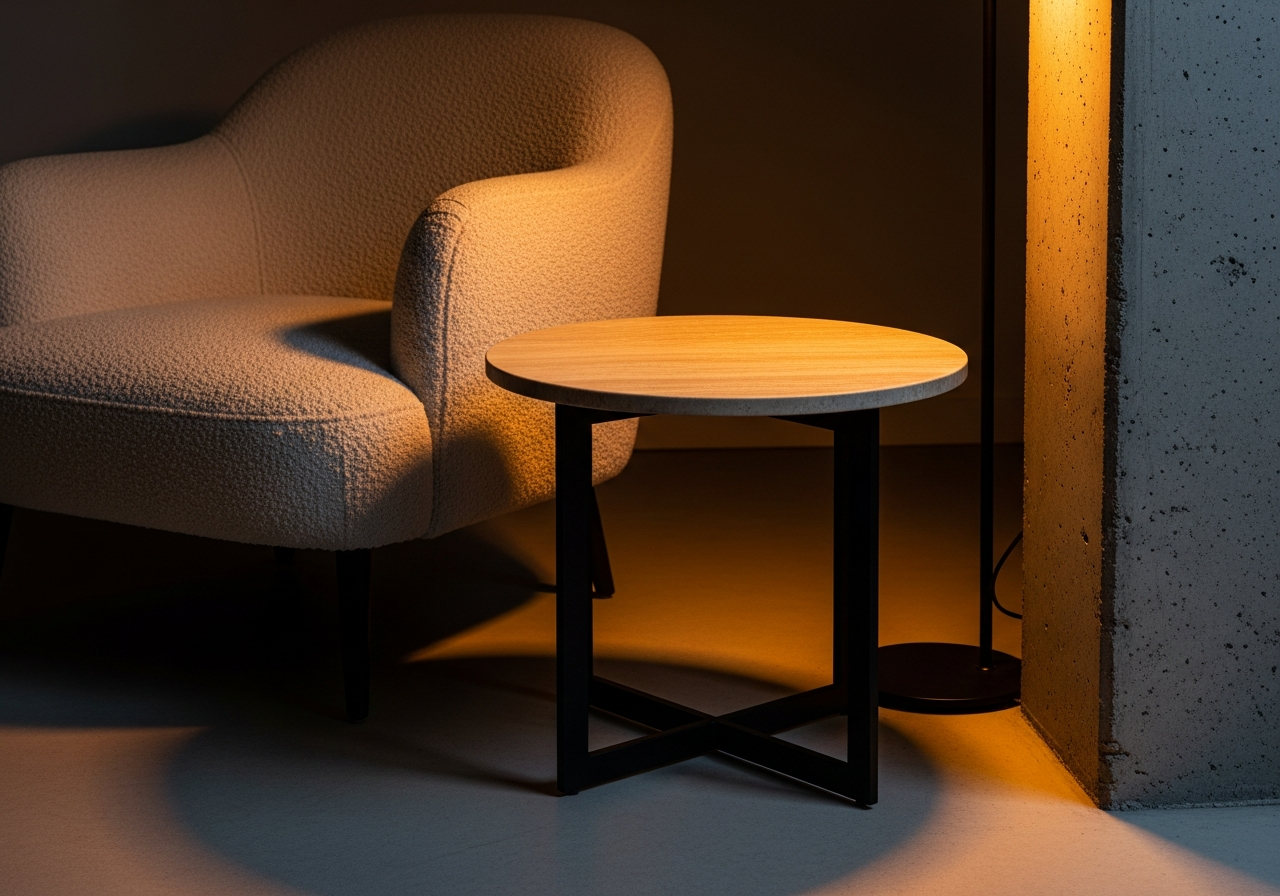
One warm source, one surface to catch it. That does more than ten downlights ever will. Decide where the light lands before anything else enters.
02
The black is never one black.
Matte concrete, satin char, the cold sheen of steel. The whole room lives in the difference between them. Flatten it and you have a cave.
03
Give the eye one thing.
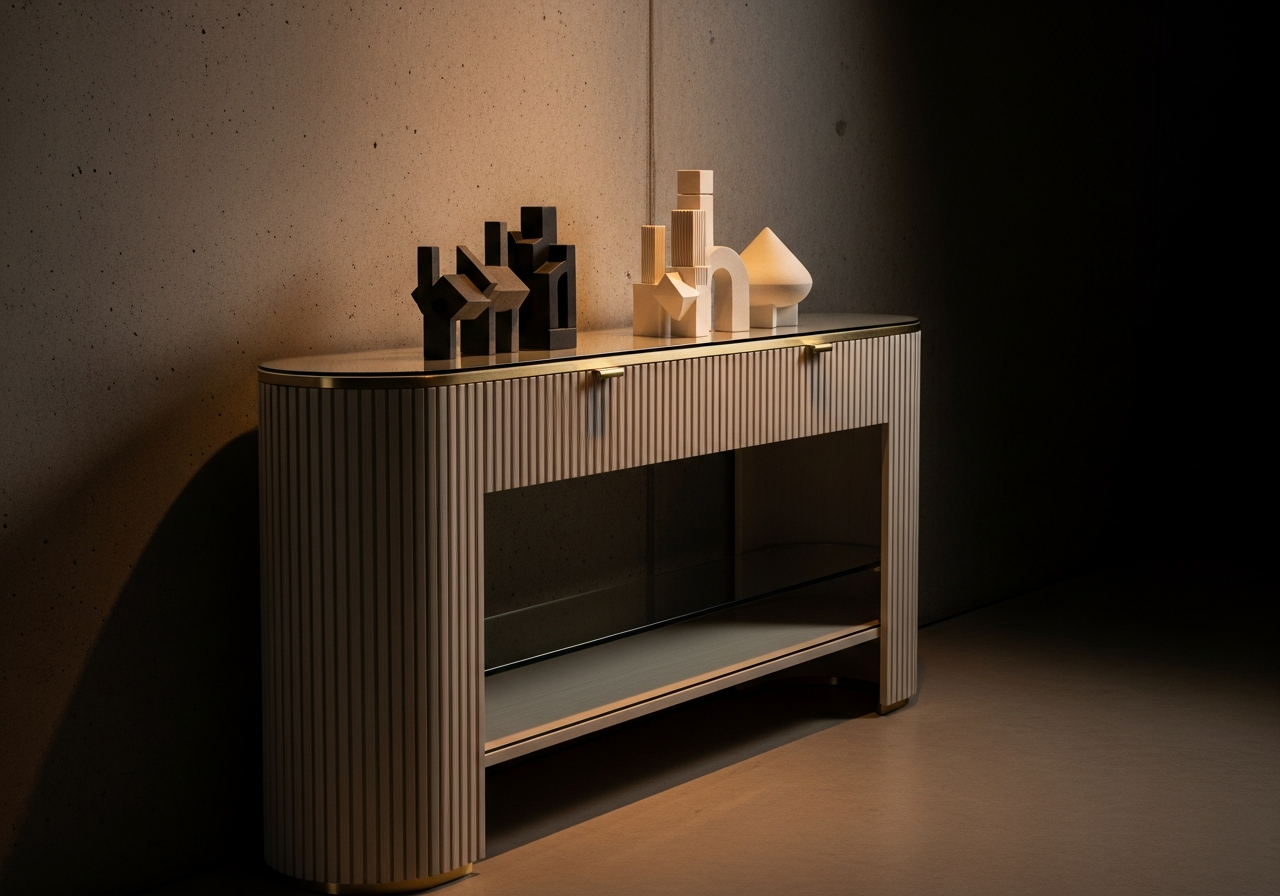
A single pale stone, a brass edge. One bright object stops a dark room closing in. One. Not two.
04
Do not fill it.
The dark shade is at its most powerful nearly empty and entirely deliberate. Restraint is the material.
The palette
Now it is your decision
What belongs in concretes
Try It Yourself
One lamp. One warm surface. One pale object to stop the eye. Then nothing else — the discipline is stopping, not adding.
The other shades